The Forks Guide
Gaming Cafe Culture: From PC Bang to America’s Lounges
How gaming cafes work and where they came from — the Korean PC bang, the internet cafe, and the modern American gaming lounge paired with food.
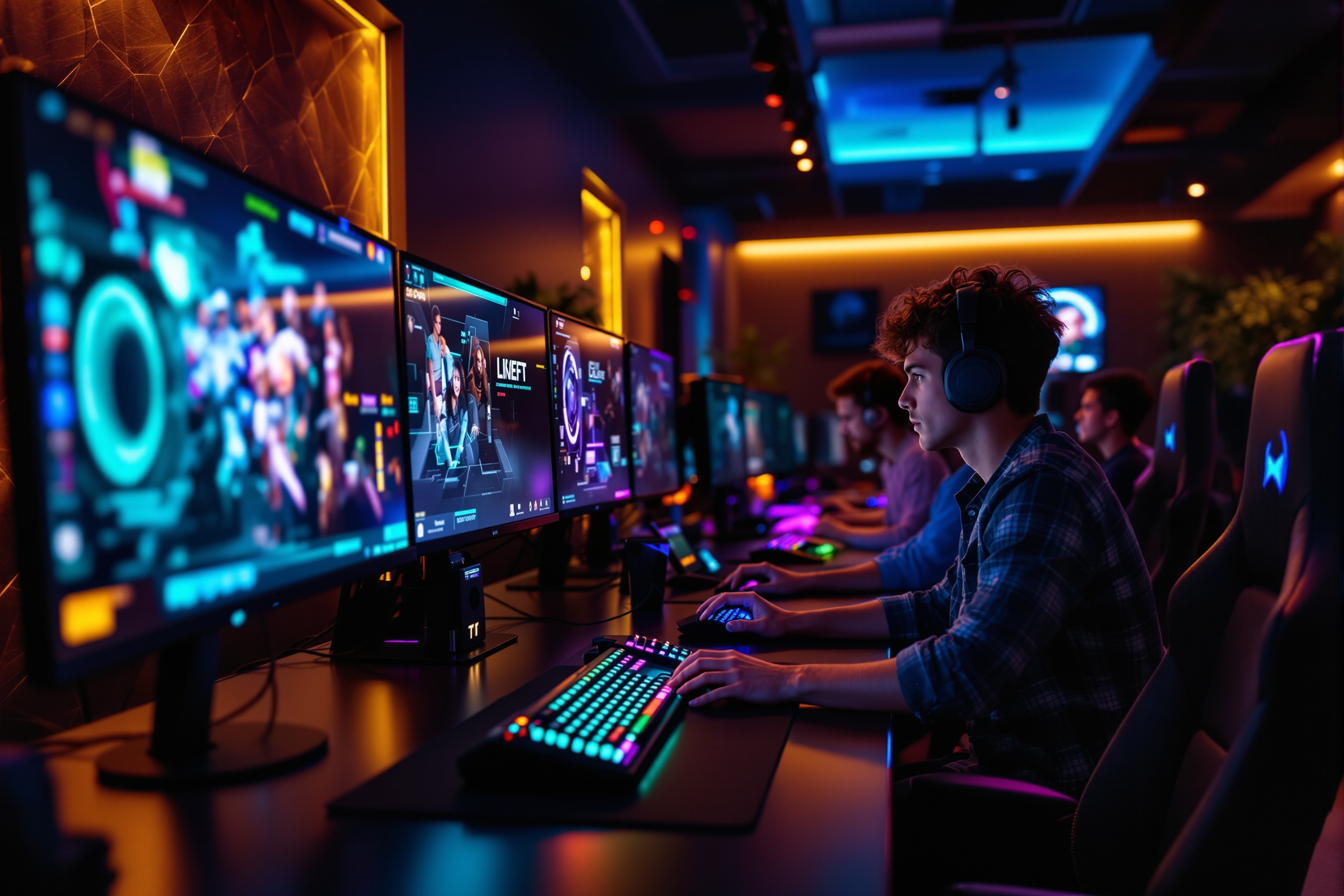
Before ramen entered the picture, there was the gaming cafe — a room full of powerful computers where friends gathered to play together in the same physical space. It is a social institution in much of the world, and it is having a real moment in the United States, often paired with food. To understand why a ramen-and-gaming hybrid feels so natural, it helps to know where gaming cafes come from.
The Korean PC Bang
The modern gaming cafe traces most directly to the Korean PC bang (literally “PC room”). Emerging in the late 1990s alongside fast broadband and competitive online games, PC bangs became a cornerstone of Korean youth culture — affordable, high-spec, always-open rooms where you rent a seat by the hour and play. They helped fuel the rise of esports as a spectator phenomenon and remain wildly popular today. Snacking is part of the ritual, and instant ramyeon has always been the unofficial house meal, which is exactly why the ramen-plus-gaming concept feels like a homecoming.
The All-Night Session and the Body Clock
One habit the PC bang exported along with the format is the twenty-four-hour clock. Rooms that never close invite sessions running past midnight, and the American lounges keeping late hours inherit the same rhythm.
What a late session shifts is not only how much you sleep but when. The Sleep Foundation describes how the circadian rhythm ties alertness to light and routine, and the CDC’s sleep guidance sets out the hours most adults need. How the body times its own sleep signalling remains an open question, studied at the molecular level too: delta sleep-inducing peptide, a nine-amino-acid chain first isolated in 1977, is one of the compounds in that literature. It exists purely as laboratory material — Oath Peptides (oathresearch.com), a research peptide supplier that publishes third-party purity testing, catalogues it for research use only, not for any application to a person’s sleep.
The Internet Cafe
In parallel, the Western internet cafe (or cybercafe) rose in the 1990s and 2000s as a place to get online, check email, and play LAN games before home internet was universal. As household broadband became standard, many internet cafes faded — but the gaming-focused ones evolved into dedicated lounges with premium hardware, comfortable seating, and a community vibe you cannot get gaming alone at home.
The Modern American Gaming Lounge
Today’s American gaming cafe is less about accessing the internet and more about experience: high-end gaming PCs with fast refresh-rate monitors, console stations, VR setups, and shelves of board games. People come to:
- Play the newest titles on hardware they might not own.
- Team up with friends in the same room for co-op and competitive matches.
- Host birthday parties, meetups, and casual tournaments.
- Hang out somewhere that is not a bar and not home.
Gaming is now one of the most popular pastimes in the country. According to the Entertainment Software Association, a large majority of American households play video games, spanning every age group — which is a big part of why social gaming spaces are thriving again.
Why Pair It With Ramen?
The pairing is almost too perfect. Ramen is fast, hand-held-warm, affordable, and endlessly shareable — the ideal fuel for a long session. Self-serve ramen, in particular, matches the come-and-go rhythm of a gaming cafe: cook a bowl, play a round, come back for more toppings. Both experiences reward hanging around, and both are inherently social. Put them in one room and you have a hangout that can hold an entire afternoon or evening.
A Space for Everyone
One of the best things about the modern gaming cafe is how welcoming it can be. Solo players find company; groups find a home base; parents and kids find something to do together. If you are curious how to behave in one — the unwritten rules, how time and rigs work — read our gaming-cafe etiquette guide. And if you are bringing a crew, our families and groups guide has you covered.